

You have probably already heard about VAT in UAE and know it affects your pricing and invoices. But many small businesses still miss key rules like registration limits, filing deadlines, and penalties. In this guide, we explain VAT for small business in UAE clearly so you can stay compliant and avoid costly errors.
Key Takeaways
- VAT in UAE is a 5 percent consumption tax applied to most goods and services.
- VAT registration becomes mandatory when turnover exceeds AED 375,000 annually.
- Voluntary VAT registration is allowed above AED 187,500 turnover.
- VAT returns must be filed within 28 days after the tax period ends.
- Input VAT can be recovered on eligible business expenses.
- VAT penalties can exceed AED 10,000 for non compliance.
What Is VAT for Small Business in UAE?
VAT for small business in UAE is a 5 percent indirect tax collected by businesses on taxable goods and services and paid to the government.
First, VAT is applied at every stage of the supply chain. For example, if you sell a service for AED 2,000, you must collect AED 100 as VAT.
Moreover, businesses act as tax collectors while the Federal Tax Authority regulates compliance.
VAT in UAE is a 5 percent indirect tax applied to most goods and services at each stage of the supply chain.
Why VAT Matters for Small Businesses in UAE
VAT matters for small businesses because it directly impacts pricing, compliance, and cash flow management.
First, VAT affects your product pricing. For example, adding 5 percent tax can reduce competitiveness if not planned properly.
Second, VAT compliance is legally required. Businesses that fail to comply may face fines starting from AED 10,000 — Source: UAE FTA, 2024.
Moreover, proper VAT tracking improves financial planning and reporting.
VAT compliance helps businesses avoid penalties and maintain smooth financial operations.
What Is the VAT Registration Threshold in UAE?
The VAT registration threshold in UAE defines when a business must or can register for VAT.
First, there are two key thresholds:
| Type | Turnover | Requirement |
|---|---|---|
| Mandatory | AED 375,000+ | Must register |
| Voluntary | AED 187,500+ | Can register |
VAT registration is mandatory for businesses with annual taxable turnover exceeding AED 375,000.
For example, if your business generates AED 500,000 yearly, registration is compulsory.
Moreover, voluntary registration allows businesses to claim VAT on expenses, improving cash flow.
Who Needs to Register for VAT in UAE?
Businesses must register for VAT if they meet turnover thresholds or conduct taxable activities.
First, freelancers and consultants must monitor income levels. For example, a freelancer earning AED 200,000 can register voluntarily.
Second, LLCs and sole establishments must register when crossing the mandatory threshold.
Moreover, eCommerce businesses are also subject to VAT rules.
How to Register for VAT in UAE Step by Step?
VAT registration in UAE involves submitting business details and documents through the FTA portal.
Step 1: Create an FTA Account
First, register on the official FTA portal.
Step 2: Enter Business Details
Second, provide trade license, turnover, and activity details.
Step 3: Upload Documents
- Trade license
- Passport or Emirates ID
- Bank account details
Step 4: Get TRN
Finally, receive your Tax Registration Number.
For example, approvals usually take 5 to 20 working days — Source: UAE FTA, 2024.
[Internal link: "VAT consultation services UAE" → Corporate & VAT services page]
How Do VAT Returns Work in UAE?
VAT returns in UAE involve reporting sales, purchases, and VAT payable to the authority.
VAT filing in UAE involves submitting returns to the Federal Tax Authority within the specified tax period.
Filing Frequency
| Business Type | Filing Frequency |
|---|---|
| Small businesses | Quarterly |
| Large businesses | Monthly |
First, most small businesses file quarterly returns.
Second, returns must be submitted within 28 days after the tax period.
For example, a business with a tax period ending March must file before April 28.
What Is Input VAT vs Output VAT?
Input VAT is the tax paid on purchases, while output VAT is the tax collected from customers.
Input VAT is the tax paid on business purchases, while output VAT is the tax collected on sales.
- Purchase: AED 4,000 + VAT = AED 200 input VAT
- Sale: AED 8,000 + VAT = AED 400 output VAT
You pay AED 200 to the FTA.
This ensures tax is only paid on value added.
What Are VAT Penalties for Small Businesses in UAE?
VAT penalties are fines imposed for failing to comply with tax regulations.
First, late registration can result in AED 10,000 penalty.
Second, late filing and payment penalties increase over time.
Moreover, incorrect VAT returns can trigger audits.
What Are Common VAT Mistakes Small Businesses Should Avoid?
Small businesses often make VAT mistakes due to lack of proper systems and knowledge.
First, missing deadlines leads to penalties. For example, filing late results in fines.
Second, incorrect invoicing causes compliance issues.
Third, poor record keeping prevents VAT recovery.
By fixing these issues, businesses can stay compliant and efficient.
What Tools Help Manage VAT for Small Businesses in UAE?
VAT tools help automate calculations, reporting, and compliance processes.
First, you can use accounting software like Tally Prime or ERP systems to track VAT.
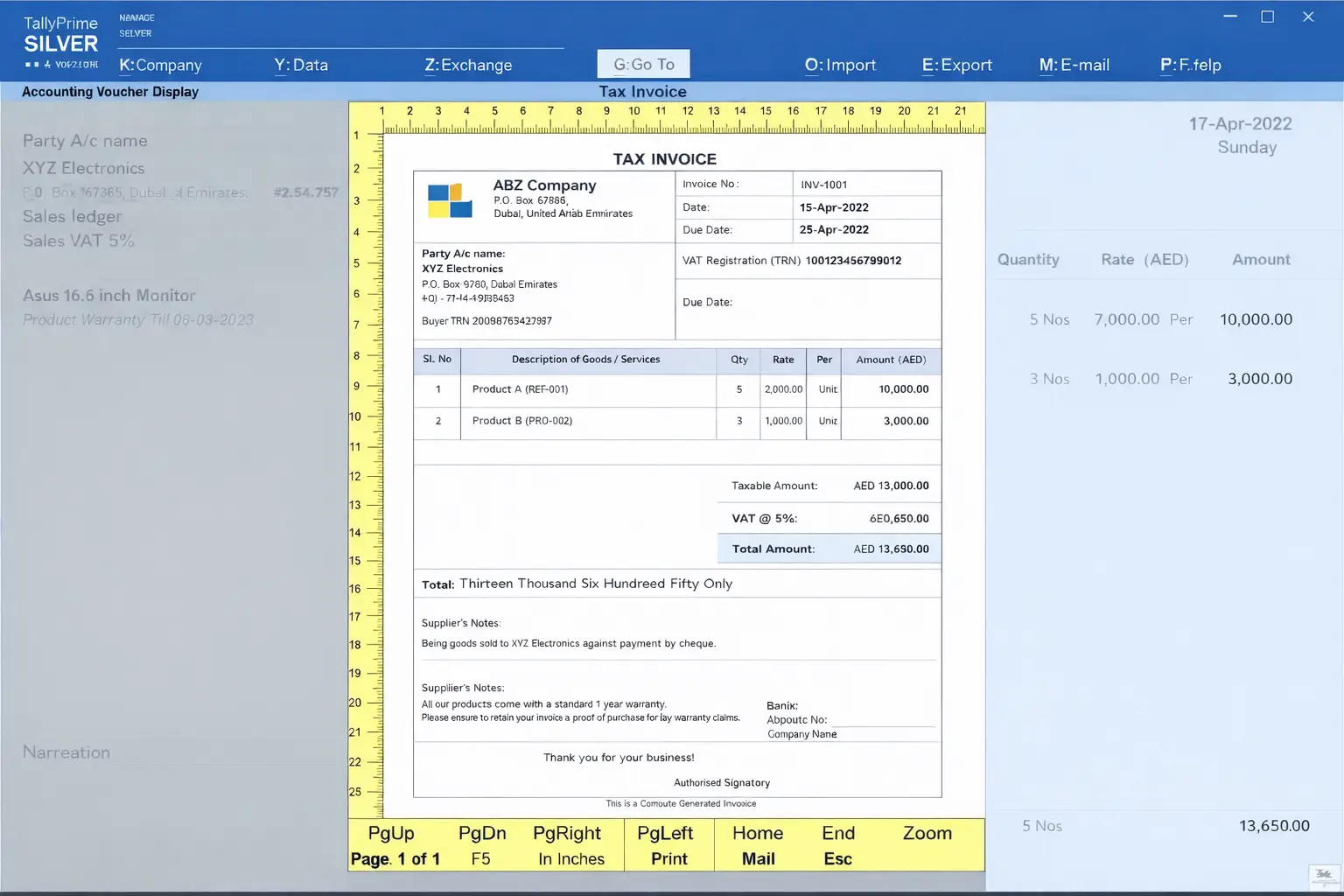
Second, professional services like InstaLedger help ensure accurate filing and compliance.
Accounting and bookkeeping services UAE
Moreover, while free tools like spreadsheets may seem convenient, they lack automation, audit trails, and compliance features required under UAE regulations.
Accounting software ensures VAT compliance and reduces operational risk.
What Should Small Businesses Do Next for VAT Compliance?
Small businesses should take clear steps to ensure VAT compliance and avoid penalties.
First, check if your turnover crosses registration thresholds.
Second, implement accounting systems for VAT tracking.
Third, consult experts for compliance support.
By taking these steps, you reduce risk and improve financial performance.
Conclusion
VAT for small business in UAE is essential for compliance and financial stability.
By understanding thresholds, filing rules, and penalties, you can avoid costly mistakes. With the right systems and expert support, VAT becomes simple and manageable.
If you want to handle VAT efficiently and focus on growth, expert support can make a big difference.
Stay VAT Compliant Without the Stress
Avoid costly mistakes, penalties, and manual errors. Let our experts handle your VAT filing, compliance, and accounting while you focus on growing your business.
Get Expert Support TodayWritten by InstaLedger Team, Accounting and VAT Experts helping UAE SMEs with compliance and financial growth
Reviewed by Jeevesh K, CEO and Tax Compliance Specialist